.png)




ULURU + THE OUTBACK

Majestic Peaks, Ancient Stories, Endless Wonder
Nestled in the heart of Australia's vast and untamed Northern Territory, Uluru and the surrounding Outback stand as enduring symbols of the country's natural grandeur and cultural richness. At the centre of this awe-inspiring landscape is Uluru, a colossal sandstone monolith that rises majestically from the ochre earth. Also known as Ayers Rock, Uluru is not merely a geological marvel but a sacred site with profound significance to the Anangu people, the traditional custodians of the land.
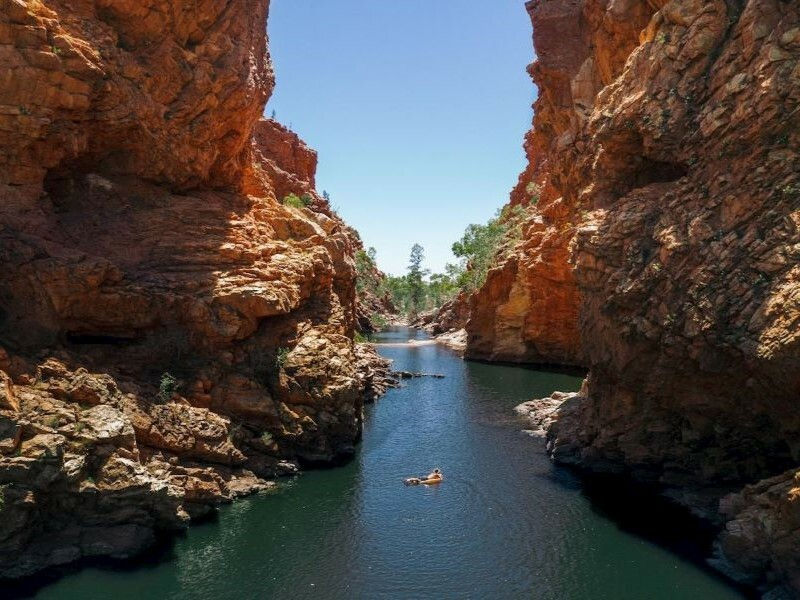
Venturing into the Outback, a vast expanse of arid terrain and dramatic landscapes unfolds. The Outback is a realm where time seems to stretch infinitely, and the land whispers tales of resilience and adaptation. Here, one encounters the iconic red deserts, sprawling plains, and unique rock formations that define the remote interior of Australia.
This harsh yet mesmerising environment is home to an array of unique flora and fauna, some of which have adapted to the extremes of the Outback's climate. The symphony of colors at sunrise and sunset paints the sky and land in hues that defy description, creating a sensory experience that lingers in the memory.
Journeying through Uluru and the Outback offers more than a mere exploration of physical landscapes; it invites a profound connection with the ancient spirit of the land and an understanding of the cultural heritage woven into its very fabric. Visitors embark on a pilgrimage, not only witnessing nature's wonders but also immersing themselves in the stories, traditions, and spirituality that have shaped this timeless terrain. Uluru and the Outback beckon those seeking a transformative encounter with the soul of Australia, where the past and present merge in a captivating dance beneath the vast, Southern Hemisphere sky.

Uluru
Also known as Ayers Rock, is a colossal sandstone monolith situated in the arid "Red Centre" of Australia's Northern Territory, approximately 450km away from the nearest large town, Alice Springs. Sacred to indigenous Australians, Uluru is believed to have begun forming around 550 million years ago. It is located within the Uluru-Kata Tjuta National Park, which encompasses the Kata Tjuta formation, consisting of 36 red-rock domes colloquially known as "The Olgas."

Kata Tjuta
With 36 towering domes, Kata Tjuta dominates the skies glowing at sunrise and sunset. Be sure to make time for the “Valley Of The Wind”. Weaving its way through 546m high formations, this hike delivers a sense of peace, tranquility, and being like no other. Lesser known than Uluru, but just as spectacular, this place is 500 million years in the making.

Kings Canyon
Kings Canyon, home to the domes of a “lost city”, a Garden of Eden, and a Queen Of The Desert. What are you waiting for? Let’s go hiking. Suitable for most, it’s the first hundred or so steps that are the hardest, so don’t turn back. You will soon be revelling in some of the most beautiful nature made structures you may never have the chance to see again.

Alice Springs
The gateway to the famous Red Centre and located at the base of the Macdonnell Ranges , there’s plenty of impressive landscape to be seen from the most famous outback town in Australia.
Home to the arts, traditional and new, it’s also home to many events. As a cultural epicentre, Alice Springs is a great starting point to any trip.

Field of Light
Another after-dark activity that needs to sit high on your to-do list is the jaw dropping Field Of Light, created by world-renowned artist Bruce Munro back in 2016. The exhibition originally named Tili Wiru Tjuta Nyakutjaku or ‘looking at lots of beautiful lights’ in local Pitjantjatjara is a fantasy garden of 50,000 spindles of light, glittering in a rainbow of colours, spanning 49,000 square metres of desert (around 75 footy fields).